PWWA Whale Watchers Performed 1,400+ Protective Interventions in 2025
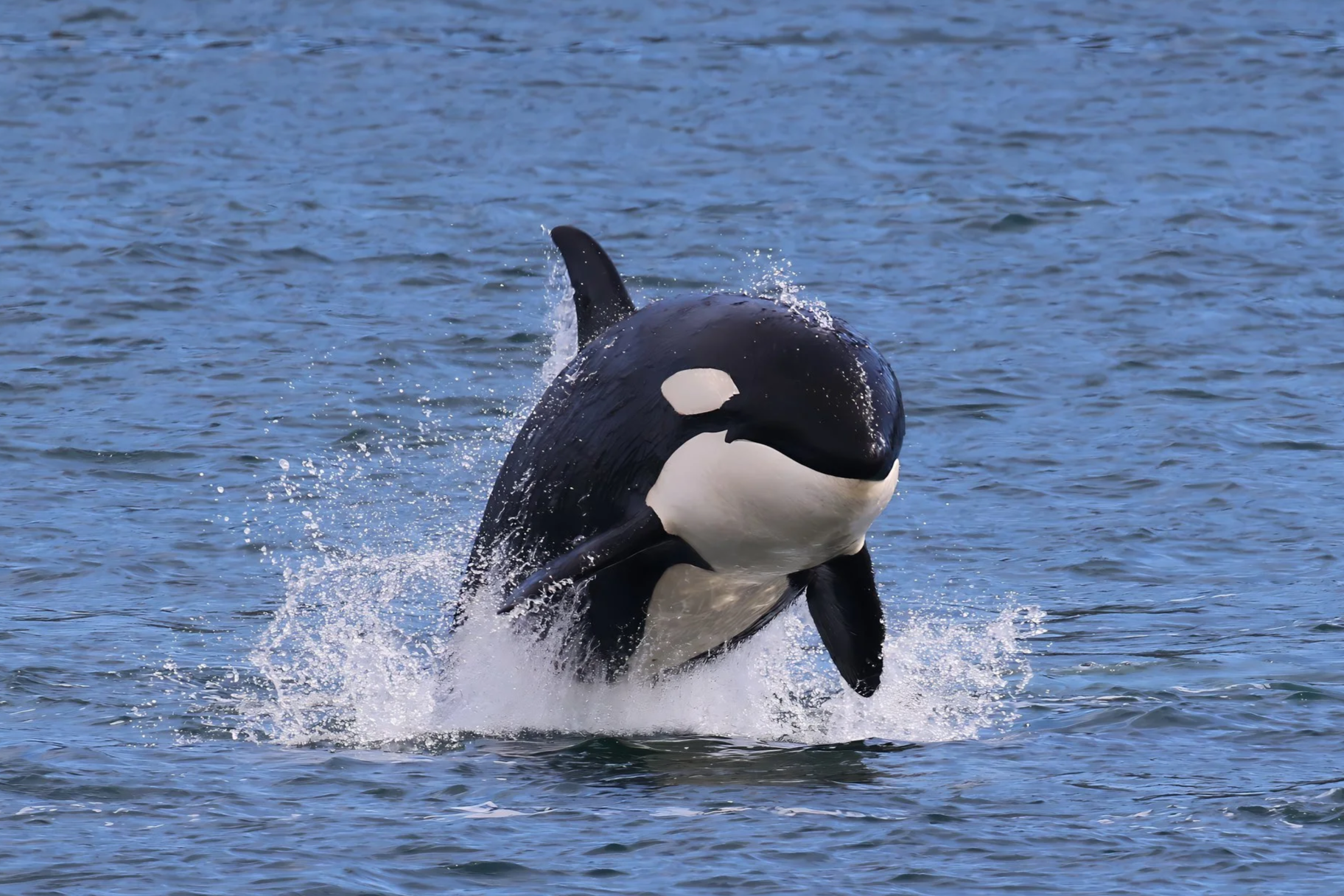
Breaching Bigg’s killer whale. Melisa Pinnow, San Juan Excursions
PWWA Whale Watchers Performed 1,400+ Protective Interventions in 2025
Sightings of Bigg’s Killer Whales, Humpback Whales Dominated Last Year’s Whale Watch Season
SEATTLE, WA & VICTORIA, BC - April 14, 2026 - The Pacific Whale Watch Association (PWWA) today released the organization’s 2025 Sightings & Sentinel Actions Report, a 36-page annual report summarizing annual whale sightings in the Salish Sea, along with a recap of sentinel actions – protective interventions undertaken by member vessels during the year. The report is based on data collected through the PWWA App, a private wildlife sightings app that association captains, naturalists, and crew members have used since 2018 to efficiently share wildlife sightings, coordinate viewing activity, and document protective interventions. The PWWA App is also used by researchers, ferry captains, professional ship pilots, emergency response vessels, the Canadian Coast Guard’s Marine Mammal Desk, and the U.S. Coast Guard’s Cetacean Desk.
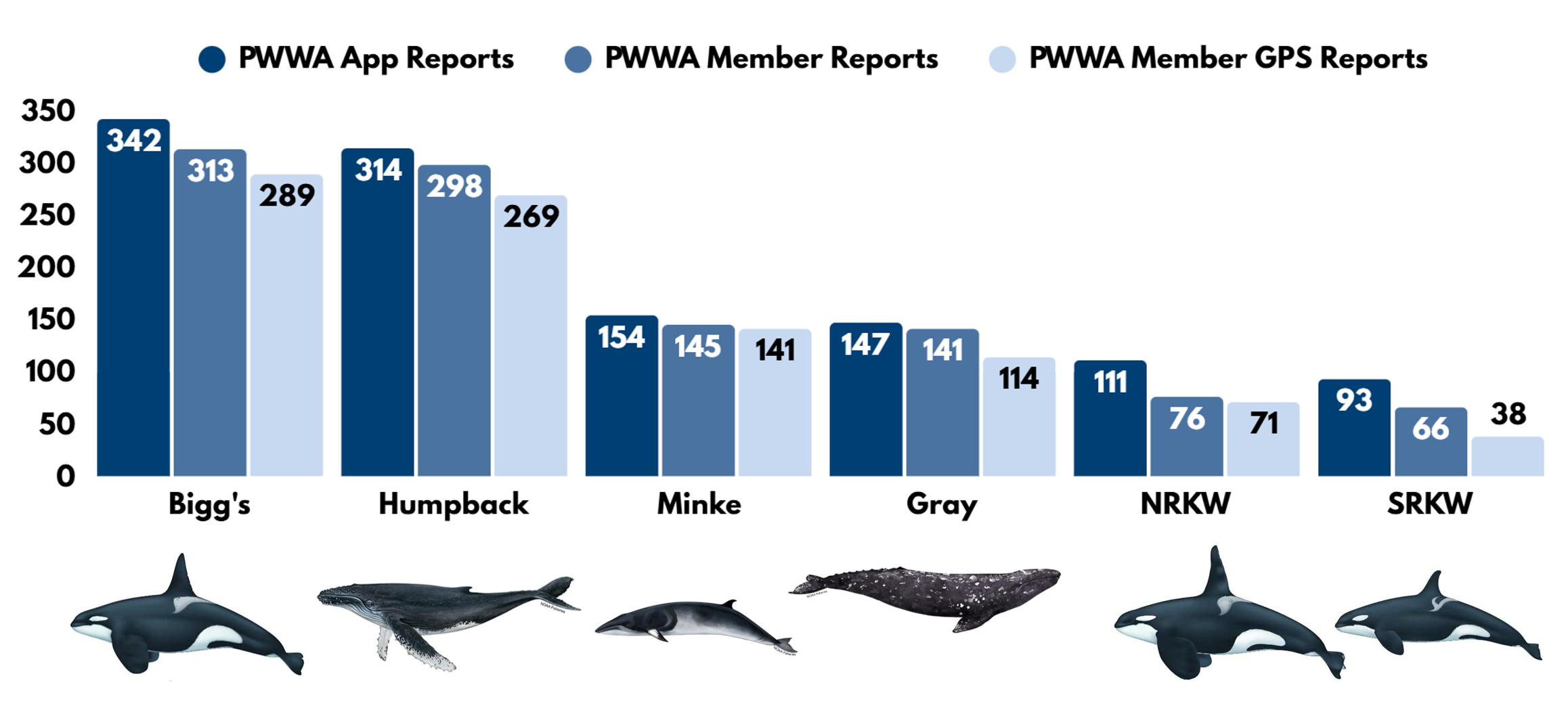
In 2025, the PWWA App received 50,323 reports of whales, wildlife, and protective sentinel actions in and around the Salish Sea, an increase of 12% over 2024's total of 44,933 reports. Bigg’s killer whales were reported on more days of the year than any other type of whale, seen on 342 days of 2025. Humpback whales were reported on 314 days, followed by minke whales on 154 days, gray whales on 147 days, and salmon-eating Northern Resident killer whales on 111 days. While PWWA tours don’t focus on endangered Southern Resident killer whales, they were reported on 93 days. 85.4% of Southern Resident reports to the PWWA App in 2025 were made by authorized researchers or shore-based PWWA observers. The year also included sightings of wildlife rarely seen in the Salish Sea, such as fur seals, a horned puffin, and a fin whale, the second longest whale species on earth.
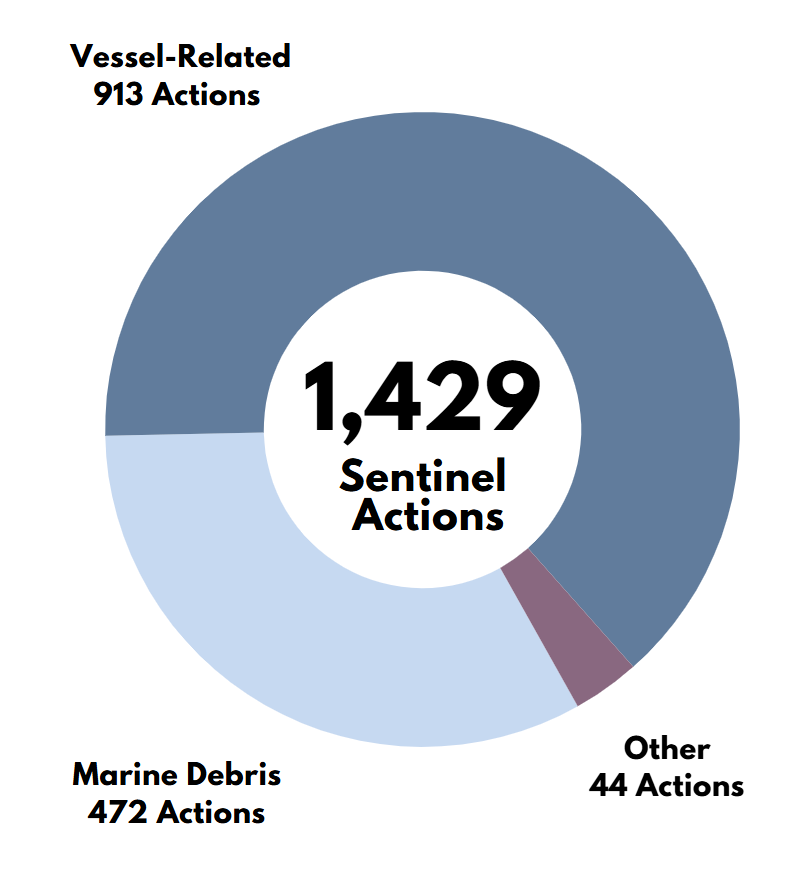
“Sentinel actions” are defined by the PWWA as protective interventions performed by professional whale watchers during the course of a wildlife tour. In 2025, PWWA members documented 1,429 sentinel actions, an increase from 1,351 sentinel actions in 2024, and the highest annual total since the PWWA began documenting them in 2021. Examples of sentinel actions include:
Stopping other vessels from speeding near whales
Proactively warning vessels of whales nearby so they can slow down/alter course
Removing harmful debris from the water
Reporting sick or entangled animals to authorities
Of the 1,429 sentinel actions documented in 2025, 913 (68.3%) involved directly contacting other vessels. Recreational vessels, ferries, and cargo ships were the vessel categories contacted most frequently by PWWA members in 2025, and the PWWA was successful in slowing, stopping, and/or diverting other vessels following at least 72% of vessel-related sentinel actions.
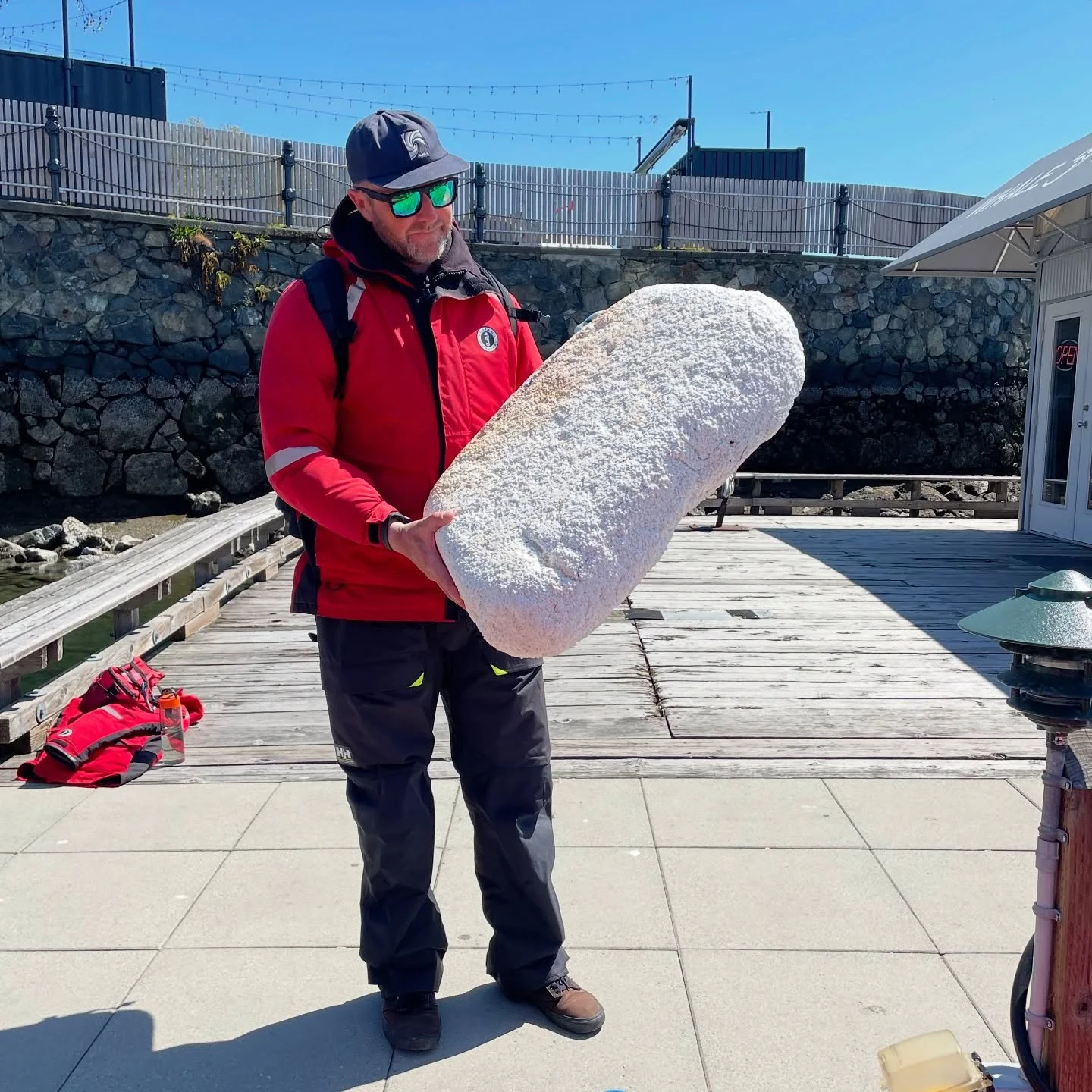
A PWWA member holds a piece of foam removed from the Salish Sea. Orca Spirit Adventures
PWWA members also performed 472 marine debris removals. Balloons were the most common item removed, collected during 224 sentinel actions. Fishing gear, polystyrene foam, plastic bags, and plastic bottles were also collected frequently.
44 sentinel actions were categorized as “other”. These other sentinel actions included reporting injured or entangled animals and even assisting in a few human rescues. One notable case was that of Starry Knight, a one-year-old humpback whale that became entangled not once, but twice, last summer. Fortunately, thanks to reporting and monitoring by PWWA members, Starry Knight was successfully rescued both times by responders with Cascadia Research Collective and the San Juan County Marine Mammal Stranding Network.
”We are proud to share this report, which reflects that the PWWA community does so much more than simply take visitors out to see whales,” says Erin Gless, executive director of the PWWA. “The sentinel actions they perform make whales safer, and the data they collect is invaluable to researchers. We look forward to continued progress and collaboration in 2026.”
The complete PWWA 2025 Sightings & Sentinel Actions Report (19.8 MB) can be accessed here.
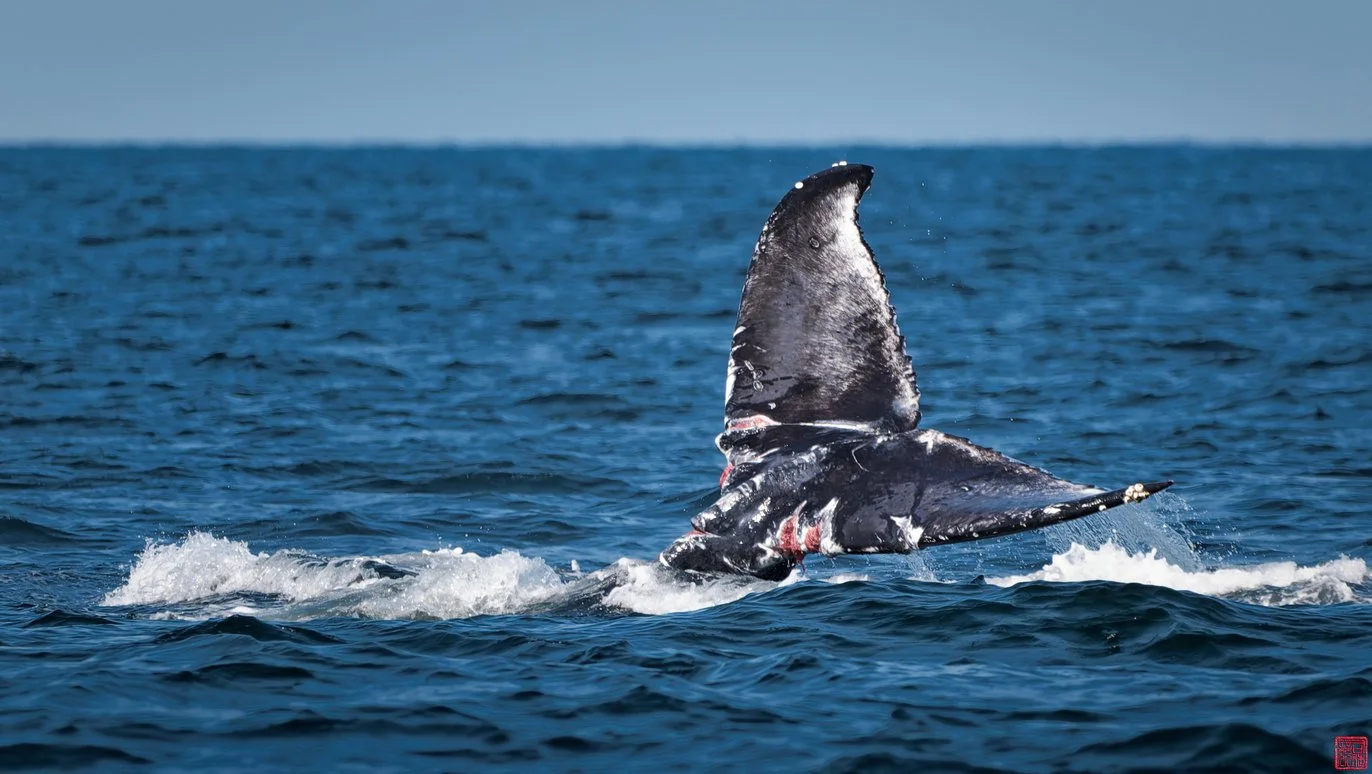
Humpback whale “Starry Knight” following rescue from entanglement in fishing gear. Ken Szeto, Vancouver Whale Watch
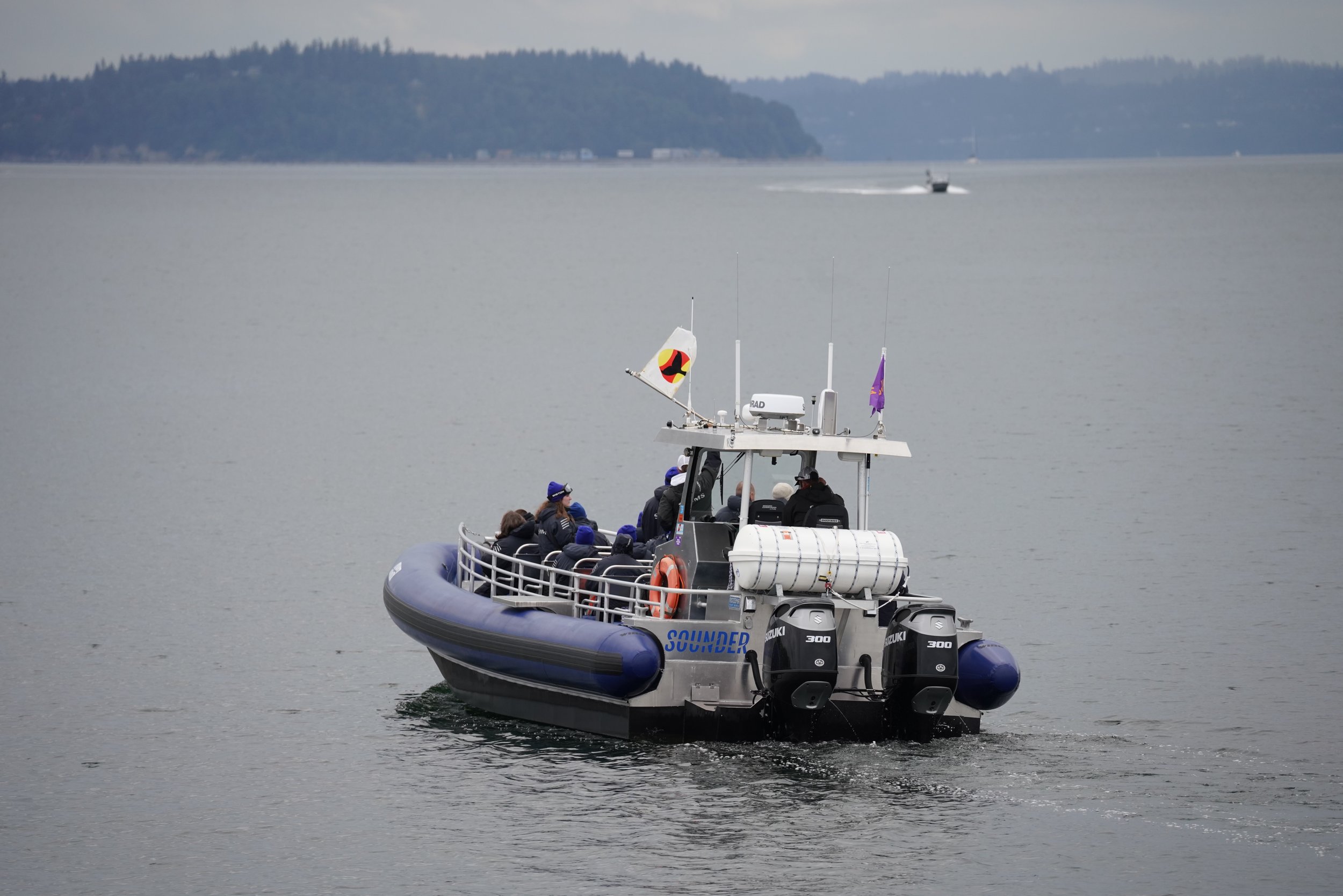
A PWWA vessel flags down an oncoming recreational vessel to alert them of whales in the area. Brooke Casanova, Puget Sound Express